
Longevity Medicine in Yorkshire: Why the North's Leading Professionals Are Investing in Their Future Health


By The Medical Team 22/07/26

For most of history, medicine has asked a single question: what is wrong, and how do we fix it? It is a reactive discipline by design. You develop symptoms. You seek help. Treatment begins.


Longevity medicine asks a different question entirely: what is right, how long can we keep it that way, and what can we do now to prevent it from going wrong? It is proactive, data-led, and deeply personal - and it is one of the fastest-growing disciplines in modern private healthcare.


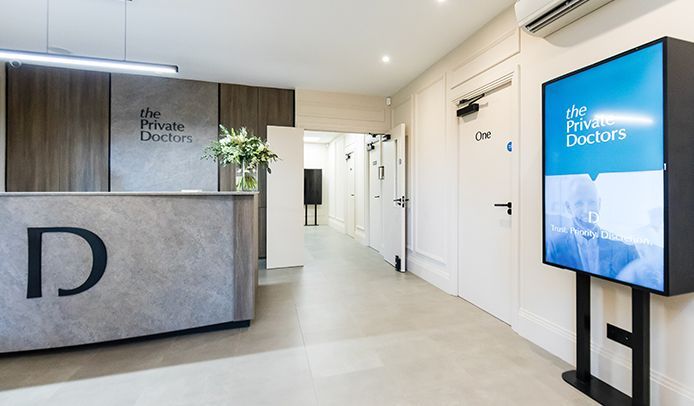
For professionals, business owners, and high-net-worth individuals across Yorkshire - in Leeds, Harrogate, Ilkley, Wetherby, and Skipton - it is no longer necessary to travel to London to access this standard of care. The Private Doctors, voted Best Private GP Service in Yorkshire 2025, offer a comprehensive longevity medicine programme from their clinic in Roundhay, North Leeds, combining advanced diagnostics, personalised biomarker analysis, and health optimisation in a setting built for discretion and clinical excellence.


What Is Longevity Medicine?

Longevity medicine is a clinical discipline focused on identifying and addressing the biological drivers of age-related disease - before they become symptomatic. It uses advanced diagnostics, biomarker analysis, and personalised interventions to help individuals extend their healthspan: the number of years lived in genuinely good health, with full cognitive and physical function.


The distinction between lifespan and healthspan is central to this field. Living to eighty is one thing. Living to eighty with sharp cognition, strong cardiovascular function, maintained muscle mass, and the energy to sustain an active professional and personal life is another. Longevity medicine is concerned with the second - not simply adding years, but protecting the quality of those years.


Key tools in longevity medicine include:


Advanced blood panel analysis - extended biomarker testing covering inflammatory markers, metabolic function, hormonal status, lipid subtypes, and nutritional status - far beyond what a standard health check includes


Advanced cardiovascular screening - including echocardiography, CT coronary calcium scoring, and extended lipid panels including ApoB and Lp(a)


Multi-cancer early detection - next-generation TruCheck liquid biopsy capable of detecting signals from multiple cancer types before symptoms develop


Cognitive and brain health assessment - baseline testing and biomarker analysis to identify early signals of cognitive change


Metabolic and hormonal optimisation - addressing the drivers of fatigue, weight change, poor sleep, and reduced performance that accumulate with age


Genetic Cancer risk profiling - identifying inherited susceptibilities and adapting clinical strategy accordingly


Why Longevity Medicine Is Gaining Ground in Yorkshire

The shift is driven by a change in how high-performing individuals think about health.

Across Yorkshire's business community - from the boardrooms of Leeds city centre to the estates of Harrogate and the entrepreneurial networks of Ilkley and Skipton - a growing cohort of professionals are applying the same strategic rigour to their health that they apply to their businesses. They are not waiting to become unwell. They are investing early, tracking their numbers, and working with trusted clinicians to optimise their trajectory.


This reflects a broader global trend. Research consistently shows that wealthy individuals place health at the top of their priorities - yet fewer than half feel confident about ageing well. The gap between intention and action is almost always a question of access: access to the right tests, the right expertise, and a clinical relationship substantial enough to make sense of the data.


Longevity medicine closes that gap. And at The Private Doctors, it is delivered not as a separate programme requiring a separate provider, but as an integrated part of the ongoing care relationship every patient receives.


What a Longevity Assessment at The Private Doctors Involves

Every longevity journey at The Private Doctors begins with a thorough consultation with a senior private GP. This is not a tick-box questionnaire. It is a detailed clinical conversation covering your personal and family medical history, your current symptoms and concerns, your lifestyle, your professional pressures, and your health goals - over the short, medium, and long term.


From that foundation, a personalised assessment is built. At the health screening level, this includes comprehensive blood panels covering inflammatory markers, thyroid function, hormone levels, metabolic indicators, kidney and liver health, and vitamin and mineral status. Extended panels targeting longevity-specific biomarkers — including HbA1c, ApoB, Lp(a), ferritin, hs-CRP, and IGF-1 - provide a detailed picture of cardiometabolic risk and long-term disease trajectory.


For those seeking the most comprehensive view of their health, the Executive Assessment - The Private Doctors' most complete package at £3,495 - includes specialist-led reviews, advanced diagnostics, and a bespoke longevity plan. The Advanced Assessment at £2,595 offers multi-system screening including cardiac, cancer, and metabolic investigations. For those newer to private health assessment, the Foundation Assessment at £950 provides a thorough baseline. All assessments are booked via the assessment booking page and include a full medical report and follow-up consultation as standard.


Advanced investigations are layered in according to clinical need and individual risk profile:


Cardiovascular - The Heart Health Assessment at £1,795 provides a comprehensive cardiac evaluation including risk factor review, imaging, and blood panel. Individual investigations include an echocardiogram at £395 and ECG at £135 for those requiring targeted cardiac assessment.


Cancer - The Private Doctors hold exclusive distribution rights in Yorkshire for TruCheck at £1,495, a next-generation liquid biopsy detecting signals from more than seventy cancer types from a single blood sample. Genetic cancer screening is available at £950 for individuals with a significant family history. A full body MRI is also available at £1,595.


Men's health - Men's health screening addresses prostate health, testosterone levels, cardiovascular risk, metabolic function, and the concerns that often go unraised in a standard appointment - assessed comprehensively and with complete discretion.


Cognitive health - The Dementia and Memory Assessment at £2,495 provides a specialist-led evaluation of brain health, memory, and cognition, including neuropsychological testing, MRI brain imaging, and an extensive blood panel.


Women's health - Women's health services at The Private Doctors include menopause and hormone management, HRT optimisation with British Menopause Society-accredited specialists, advanced cancer screening, and regenerative medicine - all integrated into a single, joined-up care programme.


Every assessment concludes with a clear, written health report and a follow-up consultation to discuss findings and agree a personalised plan. This is not a set of numbers delivered in an envelope. It is the beginning of an ongoing clinical relationship.


Understanding Your Health Numbers: What Advanced Biomarkers Reveal

One of the most valuable aspects of a longevity assessment is the depth of information it provides - not just a snapshot of whether something is acutely wrong, but a detailed, personalised picture of where your health is heading.

Standard blood tests tell you whether you are inside or outside a reference range. Longevity-focused panels go further. Markers such as ApoB and Lp(a) reveal the specific nature of your cardiovascular risk with far greater precision than total cholesterol alone. hs-CRP identifies systemic inflammation that may be silently driving arterial and metabolic damage. IGF-1 reflects growth hormone status and its relationship to muscle maintenance and metabolic health. HbA1c tracks your average blood sugar over three months - a far more reliable indicator of metabolic risk than a single fasting glucose reading.


Together, these markers give you and your doctor something concrete to work with: a baseline, a trajectory, and a set of actionable interventions that can meaningfully alter the course - years before any of these risks would manifest as a clinical problem.


The Yorkshire Proposition: World-Class Care Without the London Journey

There has long been an assumption in the North that the most advanced preventive medicine requires a trip south. That assumption is demonstrably out of date.


The Private Doctors offer longevity medicine of a calibre that competes directly with the best of what London's private sector provides - and with meaningful advantages. Access is faster. The clinical relationship is more continuous. Appointments are available at your convenience, including evenings, weekends, and at your home or workplace. And when specialist input is required, referrals go directly to Yorkshire's leading consultants - clinicians known personally to the practice, not sourced from a directory.


For professionals in Harrogate, Ilkley, Wetherby, or Skipton, the clinic in Roundhay, North Leeds is a straightforward journey. For those who cannot or prefer not to travel, virtual consultations and home visits ensure that geography presents no barrier to this standard of care. The London assumption costs time, disrupts schedules, and fragments the clinical relationship. None of those costs are necessary.


Starting Your Longevity Journey

Longevity medicine is not exclusively for those with health concerns. It is most valuable precisely when you feel well - because that is when the gap between your current trajectory and your optimal one is most likely to be identified and acted upon.


The professionals who engage with longevity medicine at The Private Doctors are not, in the main, people who are worried about a specific symptom. They are people who have decided that their health deserves the same level of active management they apply to their finances, their businesses, and their careers. They want numbers - their cardiovascular risk score, their inflammatory markers, their cancer biomarkers - not a vague reassurance. And they want a clinician who will work with them over time to move those numbers in the right direction. Whether your priorities sit in men's health, women's health, cardiac risk, or cognitive longevity, the assessment is built around you.

If that describes your approach to your own health, we would welcome the conversation.


Book a health assessment at The Private Doctors today, or speak to our team to discuss which assessment is most appropriate for your age, history, and priorities. No referral is required.

  • What is longevity medicine and is it available in Yorkshire?

    Longevity medicine is a clinical discipline focused on identifying the biological drivers of age-related disease before symptoms develop, and using personalised interventions to extend healthspan — the years lived in genuinely good health. It is available in Yorkshire at The Private Doctors, based in Roundhay, North Leeds, serving patients from across West and North Yorkshire including Harrogate, Ilkley, Wetherby, and Skipton.

  • How is longevity medicine different from a standard health check?

    A standard health check typically covers basic metrics — blood pressure, cholesterol, BMI. Longevity medicine goes considerably further, using advanced biomarker panels, TruCheck cancer early detection, cognitive health evaluation, and personalised intervention planning. The goal is not simply to confirm that nothing is acutely wrong, but to identify risk, optimise trajectory, and build a long-term clinical plan specific to your biology and goals. Health assessments at The Private Doctors range from the Foundation Assessment at £950 through to the Advanced Assessment at £2,595 and the Executive Assessment at £3,495. The Heart Health Assessment is £1,795 and the Dementia and Memory Assessment is £2,495. Individual investigations such as TruCheck (£1,495) and genetic cancer screening (£950) can be added. Use the assessment finder to identify the right package for you.

  • How is longevity medicine different from a standard health check?

    A standard health check typically covers basic metrics — blood pressure, cholesterol, BMI. Longevity medicine goes considerably further, using advanced biomarker panels, TruCheck cancer early detection, cognitive health evaluation, and personalised intervention planning. The goal is not simply to confirm that nothing is acutely wrong, but to identify risk, optimise trajectory, and build a long-term clinical plan specific to your biology and goals.

  • Do I need to travel to London to access longevity medicine?

    No. The Private Doctors offer longevity medicine of a comparable standard to the best London private clinics, from their CQC-registered clinic in Roundhay, North Leeds. The clinic is easily accessible from Harrogate, Ilkley, Wetherby, Skipton, and across West and North Yorkshire. Home visits and virtual consultations are also available.

  • Is longevity medicine covered by private health insurance?

    Coverage varies significantly by insurer and policy. Some diagnostic tests and GP consultations may be covered; advanced screening packages are more commonly self-funded. We recommend checking directly with your insurer. The Private Doctors can provide detailed invoices and clinical summaries to support any insurance claims.

  • Can my employer fund a longevity health assessment?

    Employers may be able to fund one health screening assessment per employee each tax year without a benefit-in-kind charge, subject to HMRC rules. Broader longevity packages may fall outside this allowance. We recommend confirming the tax position with your accountant. The Private Doctors also offer corporate health programmes for Yorkshire businesses, including executive health assessments for leadership teams.

  • Can my employer fund a longevity health assessment?

    You can book directly online or contact our team to discuss which assessment is most appropriate for your age, health history, and priorities. No GP referral is required.

Health Assessments

Find out more about our preventative health checks.


Corporate Care

Find out more about how you can look after your people.

SHARE THIS

By The Medical Team August 2, 2026
Prostate cancer is the most common cancer in men in the UK, yet screening remains contentious. There's no national programme because the standard PSA test isn't reliable enough on its own. That doesn't mean men are without options it means the approach has evolved. The conversation now centres on risk-based testing that combines PSA with targeted MRI, multi-cancer blood work, and genetic testing. The PSA test: useful, but not definitive A PSA (prostate-specific antigen) test measures a protein produced by the prostate. Levels rise from cancer, but also from benign enlargement, infection, or even recent cycling or sexual activity — hence its reputation for false alarms. Where PSA helps: Simple, quick, low-cost blood draw Clearer role in high-risk men (family history, genetic mutations, Black ethnicity) for catching aggressive disease earlier Useful for risk stratification when combined with other information Where PSA falls short: A raised PSA doesn't confirm cancer — most raised results aren't cancer at all Misses clinically significant cancers while flagging slow-growing ones that never would've caused harm Acting on unclear results leads to unnecessary biopsies and anxiety The UK National Screening Committee has moved away from PSA testing for all men, instead recommending an informed conversation about personal risk. For men over 50, that conversation matters. For those with family history or genetic risk, it matters earlier. MRI: the game-changer in prostate diagnostics The most significant shift in prostate diagnostics over the past decade has been using MRI before biopsy, not after. Multiparametric MRI can identify suspicious areas with enough precision to spare many men an invasive biopsy entirely. Those who do need one can have it targeted directly rather than done blind. At The Private Doctors, prostate imaging sits within our Full Body MR I assessment — gender-specific pelvic imaging alongside detailed views of the brain, spine, chest, and abdomen. One appointment covers considerably more ground than a standalone scan, with zero radiation exposure. The key distinction: PSA tells you if a signal is present. MRI tells you where to look. Together, they give far more clarity than either alone. TruCheck: a different signal Where PSA and MRI target the prostate, TruCheck works differently. It's a blood-based multi-cancer test detecting circulating tumour cells across more than 70 solid organ cancers — 88% sensitivity, 96–99% specificity. TruCheck isn't a replacement for PSA or prostate MRI. It sits alongside them as a broader early-warning system, particularly valuable for men wanting reassurance across multiple cancer types rather than investigating organ by organ. For men with no specific prostate concern but general interest in proactive screening, it's often the natural starting point — with MRI or prostate-specific testing to follow if needed. BRCA: the genetic piece men rarely discuss BRCA1 and BRCA2 are known for breast and ovarian cancer risk, but both carry real implications for men — and BRCA2 is associated with meaningfully higher risk of aggressive, early-onset prostate cancer. Research from the IMPACT study presented at the European Society for Medical Oncology in 2025 found: Men with BRCA1 face more than 3× the risk of aggressive prostate cancer BRCA2 carriers face more than 2× the risk, diagnosed around five years earlier than non-carriers On this evidence, researchers are calling for annual PSA testing in BRCA1 and BRCA2 carriers from age 40 — a full decade before general screening conversations typically begin. Our Genetic Cancer Risk assessment analyses 31 clinically relevant genes (including BRCA1, BRCA2, ATM, and HOXB13) from a single saliva or blood sample, alongside genes linked to breast, bowel, pancreatic, and skin cancers. For men with family history of prostate, breast, or ovarian cancer, genetic testing should come before the broader screening conversation — because knowing your genetic risk changes when and how often other tests matter. How to approach this No single test tells the whole story. A sensible, risk-adapted approach: Family history of prostate, breast, or ovarian cancer, or Ashkenazi Jewish descent → Start with genetic testing BRCA1/BRCA2 positive, or over 40 with other risk factors → PSA testing becomes more valuable, more frequent Raised or borderline PSA, or want to avoid unnecessary biopsy → Prostate MRI to clarify next steps General preventative interest, no specific concern → TruCheck as a broad first check, with targeted follow-up if indicated The right combination — and the right frequency — depends on individual risk. That's what a proper consultation is for. Our prostate and cancer screening options Genetic Cancer Risk screening — £950 Analyses 31 clinically relevant genes for inherited cancer risk Full Body MRI (including prostate imaging) — £1,695 Structural health assessment with gender-specific pelvic imaging, zero radiation TruCheck multi-cancer blood test — £1,495 Blood-based detection across 70+ solid organ cancers Foundation/Advanced/Executive Health Assessment — from £950 Comprehensive preventative screening tailored to your risk Contact us to discuss the right combination for you. For business owners and directors If you run a limited company, prostate and cancer risk screening can be funded through the business. HMRC permits one health check-up per employee, per year, without it being treated as a benefit in kind — no personal tax liability, fully deductible for the business. This article is provided for general information and does not constitute medical advice. Screening decisions should always be made in consultation with a doctor, taking into account personal and family medical history. 

By Dr Chaggar August 2, 2026
Prostate cancer is the most common cancer in men in the UK, yet screening remains contentious. There's no national programme because the standard PSA test isn't reliable enough on its own. That doesn't mean men are without options it means the approach has evolved. The conversation now centres on risk-based testing that combines PSA with targeted MRI, multi-cancer blood work, and genetic testing. The PSA test: useful, but not definitive A PSA (prostate-specific antigen) test measures a protein produced by the prostate. Levels rise from cancer, but also from benign enlargement, infection, or even recent cycling or sexual activity — hence its reputation for false alarms. Where PSA helps: Simple, quick, low-cost blood draw Clearer role in high-risk men (family history, genetic mutations, Black ethnicity) for catching aggressive disease earlier Useful for risk stratification when combined with other information Where PSA falls short: A raised PSA doesn't confirm cancer — most raised results aren't cancer at all Misses clinically significant cancers while flagging slow-growing ones that never would've caused harm Acting on unclear results leads to unnecessary biopsies and anxiety The UK National Screening Committee has moved away from PSA testing for all men, instead recommending an informed conversation about personal risk. For men over 50, that conversation matters. For those with family history or genetic risk, it matters earlier. MRI: the game-changer in prostate diagnostics The most significant shift in prostate diagnostics over the past decade has been using MRI before biopsy, not after. Multiparametric MRI can identify suspicious areas with enough precision to spare many men an invasive biopsy entirely. Those who do need one can have it targeted directly rather than done blind. At The Private Doctors, prostate imaging sits within our Full Body MR I assessment — gender-specific pelvic imaging alongside detailed views of the brain, spine, chest, and abdomen. One appointment covers considerably more ground than a standalone scan, with zero radiation exposure. The key distinction: PSA tells you if a signal is present. MRI tells you where to look. Together, they give far more clarity than either alone. TruCheck: a different signal Where PSA and MRI target the prostate, TruCheck works differently. It's a blood-based multi-cancer test detecting circulating tumour cells across more than 70 solid organ cancers — 88% sensitivity, 96–99% specificity. TruCheck isn't a replacement for PSA or prostate MRI. It sits alongside them as a broader early-warning system, particularly valuable for men wanting reassurance across multiple cancer types rather than investigating organ by organ. For men with no specific prostate concern but general interest in proactive screening, it's often the natural starting point — with MRI or prostate-specific testing to follow if needed. BRCA: the genetic piece men rarely discuss BRCA1 and BRCA2 are known for breast and ovarian cancer risk, but both carry real implications for men — and BRCA2 is associated with meaningfully higher risk of aggressive, early-onset prostate cancer. Research from the IMPACT study presented at the European Society for Medical Oncology in 2025 found: Men with BRCA1 face more than 3× the risk of aggressive prostate cancer BRCA2 carriers face more than 2× the risk, diagnosed around five years earlier than non-carriers On this evidence, researchers are calling for annual PSA testing in BRCA1 and BRCA2 carriers from age 40 — a full decade before general screening conversations typically begin. Our Genetic Cancer Risk assessment analyses 31 clinically relevant genes (including BRCA1, BRCA2, ATM, and HOXB13) from a single saliva or blood sample, alongside genes linked to breast, bowel, pancreatic, and skin cancers. For men with family history of prostate, breast, or ovarian cancer, genetic testing should come before the broader screening conversation — because knowing your genetic risk changes when and how often other tests matter. How to approach this No single test tells the whole story. A sensible, risk-adapted approach: Family history of prostate, breast, or ovarian cancer, or Ashkenazi Jewish descent → Start with genetic testing BRCA1/BRCA2 positive, or over 40 with other risk factors → PSA testing becomes more valuable, more frequent Raised or borderline PSA, or want to avoid unnecessary biopsy → Prostate MRI to clarify next steps General preventative interest, no specific concern → TruCheck as a broad first check, with targeted follow-up if indicated The right combination — and the right frequency — depends on individual risk. That's what a proper consultation is for. Our prostate and cancer screening options Genetic Cancer Risk screening — £950 Analyses 31 clinically relevant genes for inherited cancer risk Full Body MRI (including prostate imaging) — £1,695 Structural health assessment with gender-specific pelvic imaging, zero radiation TruCheck multi-cancer blood test — £1,495 Blood-based detection across 70+ solid organ cancers Foundation/Advanced/Executive Health Assessment — from £950 Comprehensive preventative screening tailored to your risk Contact us to discuss the right combination for you. For business owners and directors If you run a limited company, prostate and cancer risk screening can be funded through the business. HMRC permits one health check-up per employee, per year, without it being treated as a benefit in kind — no personal tax liability, fully deductible for the business. This article is provided for general information and does not constitute medical advice. Screening decisions should always be made in consultation with a doctor, taking into account personal and family medical history. 

By Dr Chaggar July 5, 2026
This one's simple but non-negotiable - UV protection is the best anti-ageing strategy that exists. Your nutrition should be tailored to your actual metabolism and activity level.
By Dr Chaggar June 25, 2026
Discover why Yorkshire's business leaders are investing in executive health screening. Expert longevity medicine and preventive care in Leeds — Book today.

By Dr Chaggar June 25, 2026
What is a private GP in Yorkshire? The Private Doctors offer same-day concierge GP care in Leeds, Harrogate, Ilkley and Wetherby. CQC registered. No referral needed. Book today.